← Return to Archive
Notes From the Severed Floor /
Document No.
Filed
September 28, 2026
Author
Kane Dabir
Department
AEO & AI Visibility
Read Time
12 min read
Classification
Marketing Strategy
Notes /
AEO & AI Visibility
I Went to UNBOUND 2026 in Boston and Learned the AEO Secrets. I'm Revealing Them All Here
UNBOUND 2026 was HubSpot's biggest bet on AI and AEO yet, and I spent all three days in Boston taking notes so you do not have to. The short version: answer engines reward accurate, crawlable, fresh content with real people behind it, and bad context is worse than no AI at all. The long version is below, along with Tom Brady, Cynthia Erivo, Sam Parr, a pedicab, and a shootaround on the conference floor.
The one thing AI cannot fake
If there is one idea I want you to walk away with, it is this: real people are the moat. AI can write the blog post, generate the image, and even build you an avatar that talks. What it cannot do is give you a real quote from a real customer, a voice note from your founder, or a shaky phone video of someone who actually used your product. Those imperfections are the proof. From everything I heard at UNBOUND, the LLMs deciding who to cite are looking for exactly that kind of human signal. So this post is full of real photos, real people, and a real (slightly embarrassing) shootaround.
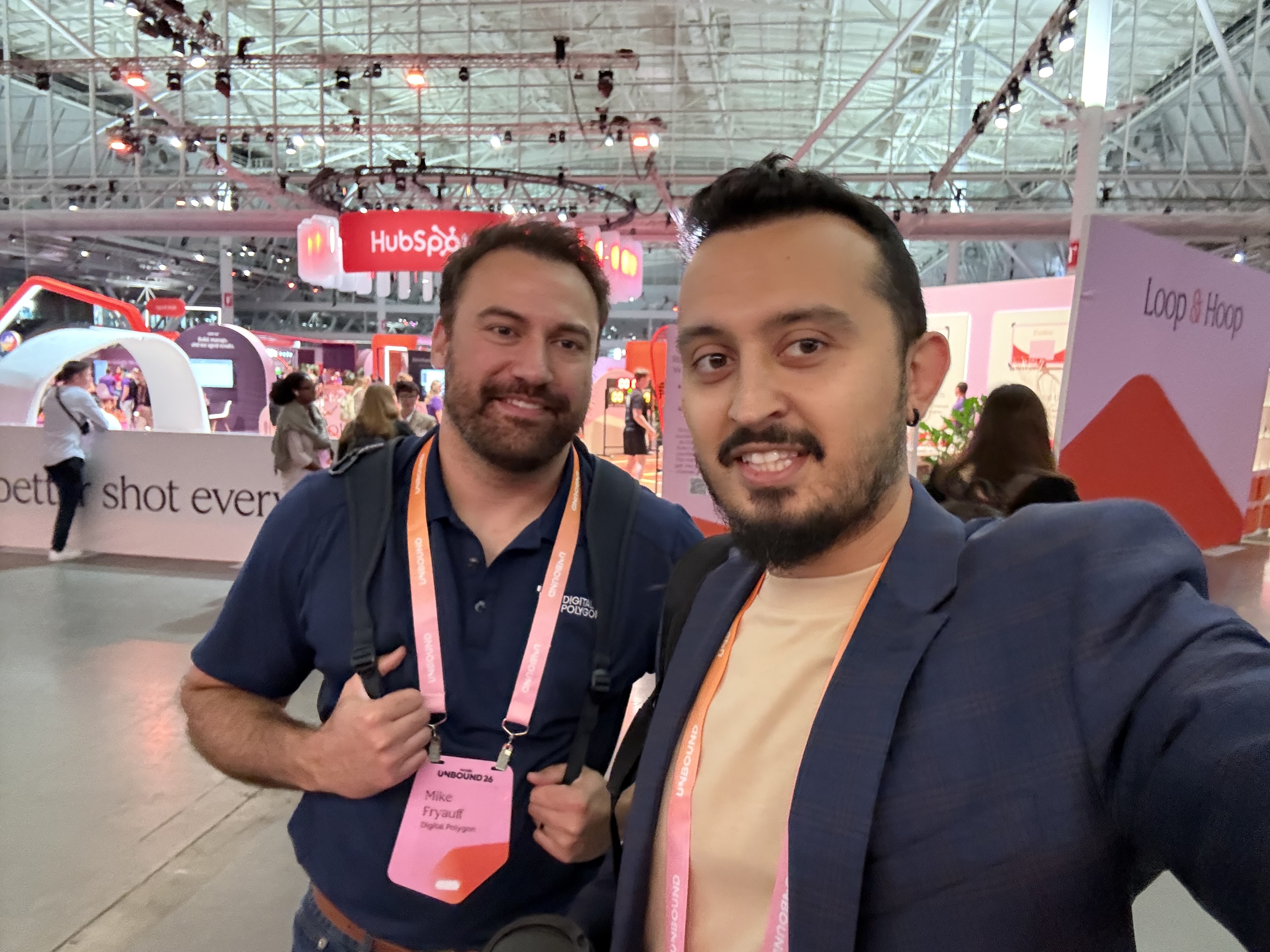
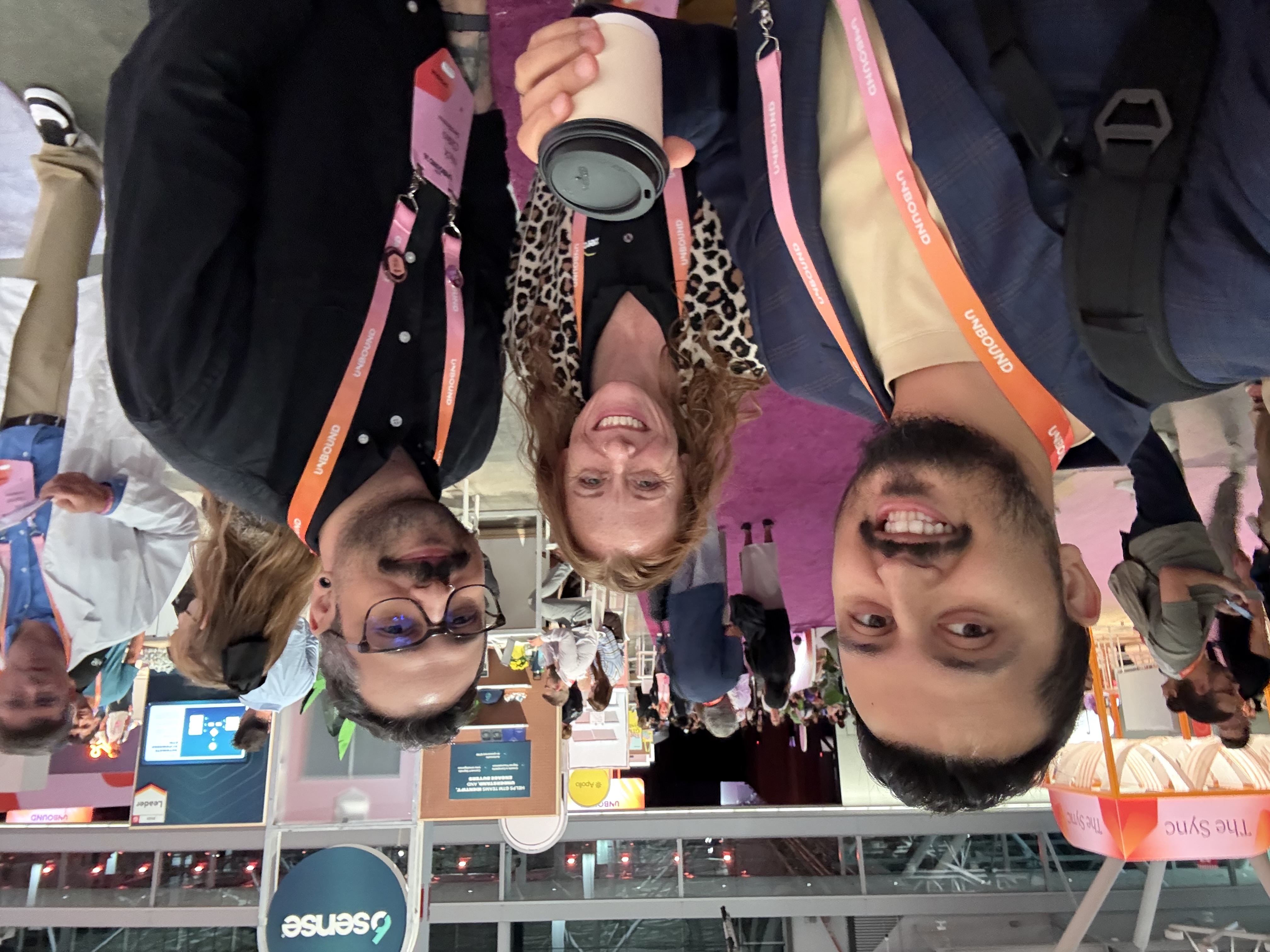
Quick background if you missed it. UNBOUND is HubSpot's new name for what used to be INBOUND, and this year it came back home to the Boston Convention and Exhibition Center from September 16 to 18. Three days, too much coffee, and way too many selfies. That one up top is with Mike Fryauff, who helped me track down my phone after I left it in an Uber. Great guy, and a dad too. I was lowkey collecting every parent I could find this trip, because Intrax sent me to UNBOUND to represent education and cultural exchange and pitch our programs, including Ayusa, AuPairCare, Americamp, StudyPoint, and more.

After day one wrapped, Uber prices surged and there was not a car in sight. So I flagged down a human powered bike and got pedaled back through Boston. Ironic, coming from an AI conference.
UNBOUND 2026 at a glance
I went in with one goal: figure out what is actually working in AEO right now. Not the LinkedIn hot takes. The stuff HubSpot, Webflow, and the teams running real experiments are seeing in their own data. I filled pages of notes. Here is all of it, translated from my chicken scratch into things you can actually do this week.
What is AEO (or what I like to call SEO for losers)
Losers is an acronym, btw. AEO stands for Answer Engine Optimization. It is the work of getting your brand to show up as a cited answer inside ChatGPT, Perplexity, Gemini, Google AI Overviews, and whatever launches next month. SEO got you ranked. AEO gets you quoted.
Why everyone at UNBOUND was talking about AEO
Organic traffic is down for almost everybody, and it is not because people stopped searching. Impressions are going up while click through rates are going down. More and more searches end with zero clicks because the answer is sitting right there on the results page or inside a chatbot.
Webflow put a number on the B2B side: 94% of B2B buyers are now using LLMs somewhere in their research. And the traffic that does come through AI answers is better traffic. One stat from the AEO sessions: visitors who arrive through AI answers were 36% more likely to buy.
UNBOUND 2026 · numbers from the stage
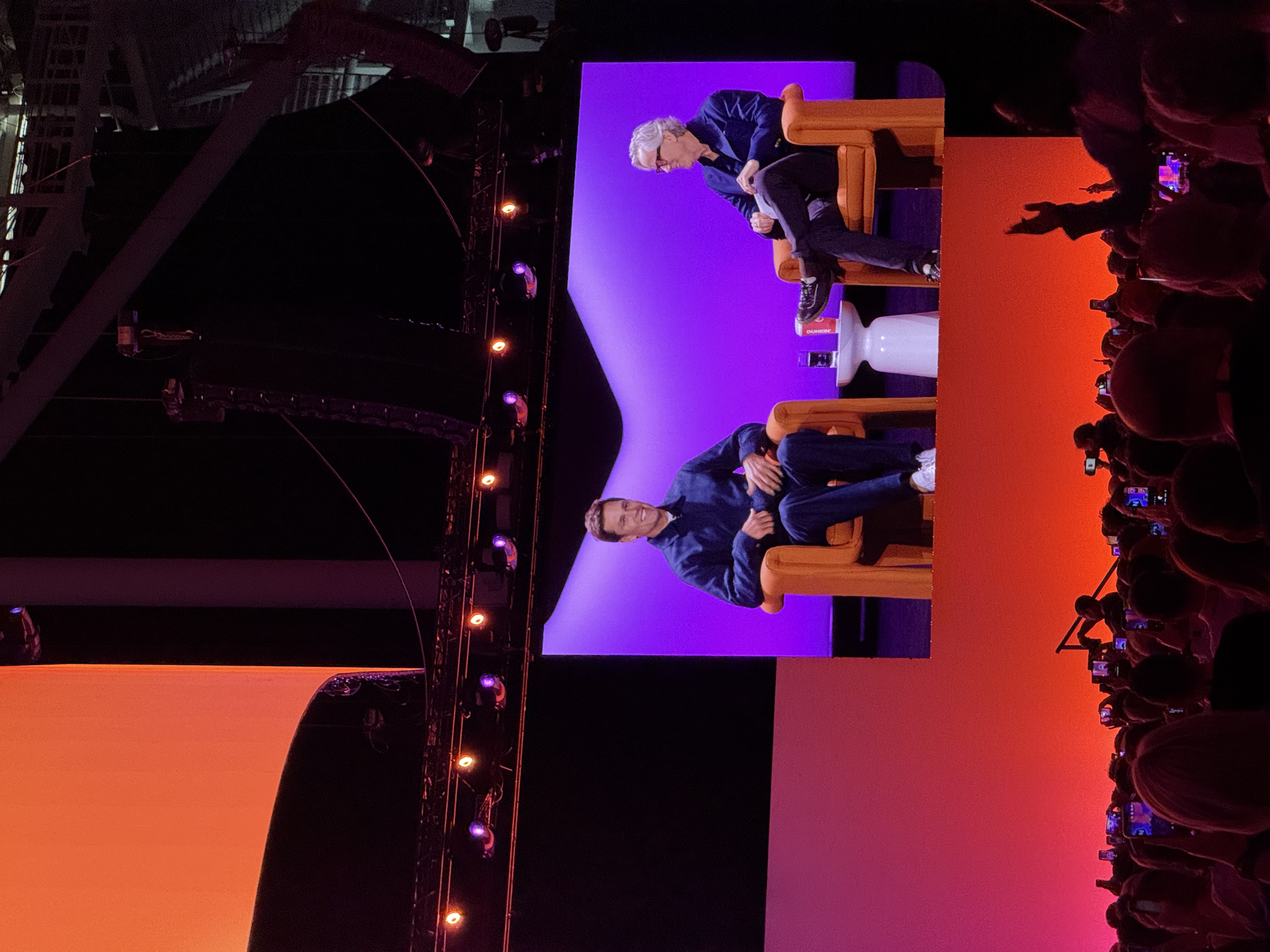
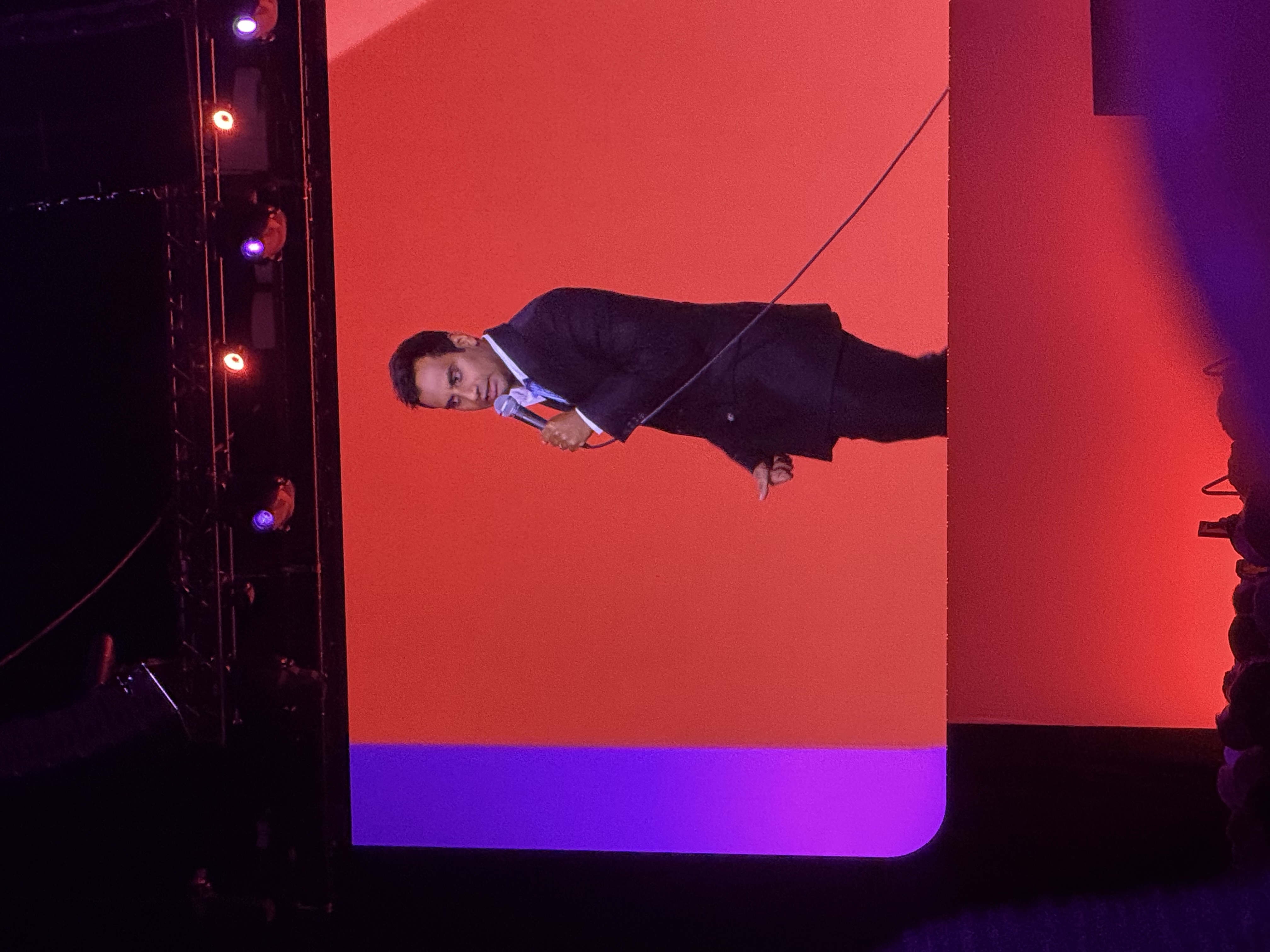
Who spoke at UNBOUND 2026
Before we get into AEO, the main stage deserves its flowers. HubSpot went big on speakers this year.

The 9 AEO secrets I learned at UNBOUND (this is why you are here)
Secret 1: Bad context is worse than no AI
HubSpot opened with a stat that stuck with me all week: 90% of brands are using AI, but only 6% are seeing transformative results. The gap comes down to what they are using it for. Pumping out content, sending more emails, prepping for meetings: low impact. Analyzing campaigns, digging through customer feedback, prioritizing pipeline: high impact.
The line I wrote down in all caps was simple. Bad context is worse than no AI. Feed an AI tool or an answer engine messy, outdated, or contradictory info about your business and it will confidently repeat it back to the world. That is the foundation of everything else in this post. HubSpot's new Breeze Assistant is built on this idea, pulling your CRM data in as growth context before it writes anything, and it now shows your AEO visibility right inside the platform.

Secret 2: You are writing for two audiences now
Webflow framed it perfectly: robots and people. Every page you publish has to work for a human skimming on their phone and for a crawler trying to figure out exactly what you sell, who it is for, and what it costs. Most sites are only built for one of them.
Secret 3: Glossary pages are quietly winning
This was the most interesting experiment of the week. HubSpot tested structured glossary pages and they outperformed. The reason is semantic relevance, which is basically how close two concepts sit to each other in the math an LLM uses to understand language. Every concept gets coordinates. When your definition of a term is clear, structured, and sits right next to your product, you become the obvious source to pull from.
The move: build a real glossary for your industry. One term per section, a clean definition up top, then connect it to what you actually offer.
Secret 4: Your pricing page is an AEO page
When someone asks ChatGPT how much something costs, the model goes looking for your pricing. If it cannot find it, or finds an old number, it will guess or cite a competitor instead. HubSpot called out pricing page accuracy as a real 2026 priority. If you do not have a pricing page, build one. If you do, make sure it is current and readable as plain text.
Secret 5: JavaScript is confusing the robots
A lot of AI crawlers do not handle JavaScript well. If your content only appears after scripts run, there is a real chance an LLM sees a half empty page. The fix is prerendering, which means your server hands crawlers a fully built version of the page. Pair that with fast load times and you get crawled more often. This is a conversation with your dev team or technical SEO person, not a checkbox in your CMS.
Secret 6: Stale content is dying
The content maturity session hit this hard. Content that has not been touched in about six months starts losing ground in AI answers. And pages that are mostly AI generated are not working. The model is not impressed by content that sounds like the model.
Set a refresh calendar. Update the stats, add new examples, and only change the date when the content actually changed.
Secret 7: Authority comes from people and mentions
Two things kept coming up. First, author blocks. A real name, real photo, and real credentials on every post, so an answer engine knows a person with experience wrote it. Second, brand mentions spread across the web, even plain mentions with no link attached. LLMs build their picture of your brand from everywhere you get talked about, not just your backlinks.
One of my notes literally just says "update your byline." I am taking my own advice. Scroll to the bottom.
Secret 8: Build answer pages and be specific
Answer pages are built around one question your buyer is actually asking, answered directly at the top. The key is specificity. Vague pages do not get cited. Map every answer to a specific product or service so the model can connect the question to you.
Quick test you can run tonight: go to ChatGPT, ask for the top products in your category, and see if you show up. If you do not, those gaps are your content roadmap.
Secret 9: Do not obsess over llms.txt yet
llms.txt is a proposed file that works like a roadmap for LLMs, telling them what lives on your site. Everyone keeps asking about it. The speakers were clear: it is not necessary right now and it should not be your focus. Clean pages, crawlable content, and accurate info matter way more today.
Bonus: your first party data is the new signal
The theory from the stage is that LLMs are moving toward personalization, and in 2026 your own first party data is what powers the signals that matter. If you are not collecting and cleaning your own customer data yet, start there.
How to measure your AEO
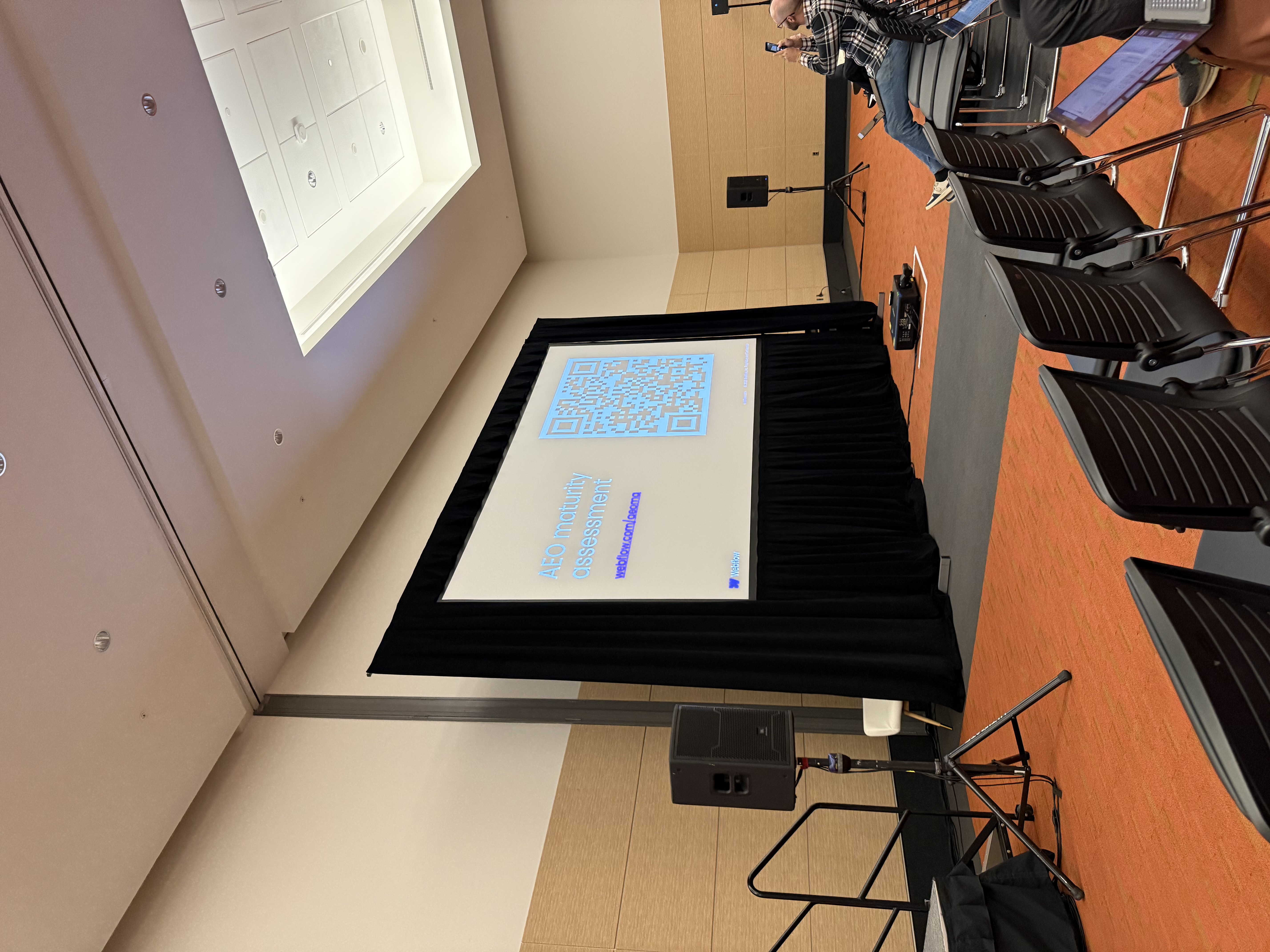
Several sessions walked through an AEO maturity model, and the big idea is that showing up is only step one. You also want to know how you are described. Sentiment matters. If ChatGPT mentions you but frames you as the budget option when you are the premium one, that is a problem you can only fix by tracking it.
For deeper data, Graphite came up as a solid source for AEO tracking. If you are already on HubSpot, the AEO visibility view inside Breeze Assistant is a good place to start.
Oh, and I shot hoops at a marketing conference
Somewhere between the AEO sessions and the video workshops there was a hoop set up inside the convention center, and I was not about to walk past it. Here is the proof.
Honestly it is the same lesson as the rest of the week. You do not get better by reading about it. You get the reps in.
Running into old friends on the expo floor
The best part of any conference is the people. On the expo floor I ran into Anne-Marie Prince, who I first met at INBOUND 2025. She is still the most die hard San Antonio Spurs fan I know, and we picked up right where we left off. I told her the Lakers and 76ers are meeting in the Finals. She will not consider anything other than the Spurs winning it all. I respect the loyalty, even though she is lowkey tripping.
Everything else I picked up at UNBOUND
Video is the B2B cheat code almost nobody is using
Let's be honest, business people are lame about video. They call it "content." It is not content. It is commercials, it is film, it is a story that explains your brand. Hollywood did not die. Every company became a film studio. Start thinking like one: know your audience, tell incredible stories, and you will make better films instead of more content.
The team from Capsule, who produce HubSpot Academy, ran a session on why video wins in B2B. Most B2B companies still struggle to publish video consistently. Their answer is to make every employee a creator: give people script templates and preapproved assets, teach them the equipment, and let them run. The use cases that got me thinking were personalized videos for individual customers, multiple versions of a product demo, and simplifying the outreach workflow for SDRs.
Your data is a city
I went to a data science session and, honestly, it was confusing. What saved me was an analogy built around Snowflake: think of your database as a city. The schema is a street, a table is a building, and a column is an item inside it. Clean, transformed data is what makes the city livable. The bigger point was about access: most analyst time goes to answering the same questions over and over, like how ROAS is calculated. Build a self service layer with a semantic model that gives the data context, and your team can find its own way around town like it has GPS.
Going global takes humility
A panel with a finance exec from Cinépolis, the founder of retail agency Road, and Wise Business covered international expansion. The advice that stuck: define your brand non negotiables before entering a new market, do not just convert your pricing to another currency, remember that humor does not always translate, and expect relationship driven markets like Brazil and Mexico to take longer to warm up. The two qualities they said matter most are empathy and humility. They also recommended The Culture Map as required reading.
Enthusiasm is what gets buy in
Quick confession. I listen to a podcast called My First Million, where two middle aged dudes glaze each other, and I fully support it. We need more men supporting each other the way Shaan and Sam do. The episodes are full of ADHD tangents and inside jokes, so it can be a hard listen, but it makes great background noise. My move is to play it super loud in the locker room before a swim, then put in ear plugs so I do not hear a thing. Take what you will from that.
So seeing Sam Parr live was a treat. He gave the talk that had nothing to do with algorithms and everything to do with energy. His point: passion when you speak is what gets people to buy in. He used Ted Turner, the founder of CNN, as the example. People buy into your energy before they buy into your idea. Also, the man loves to swear. I respect it.
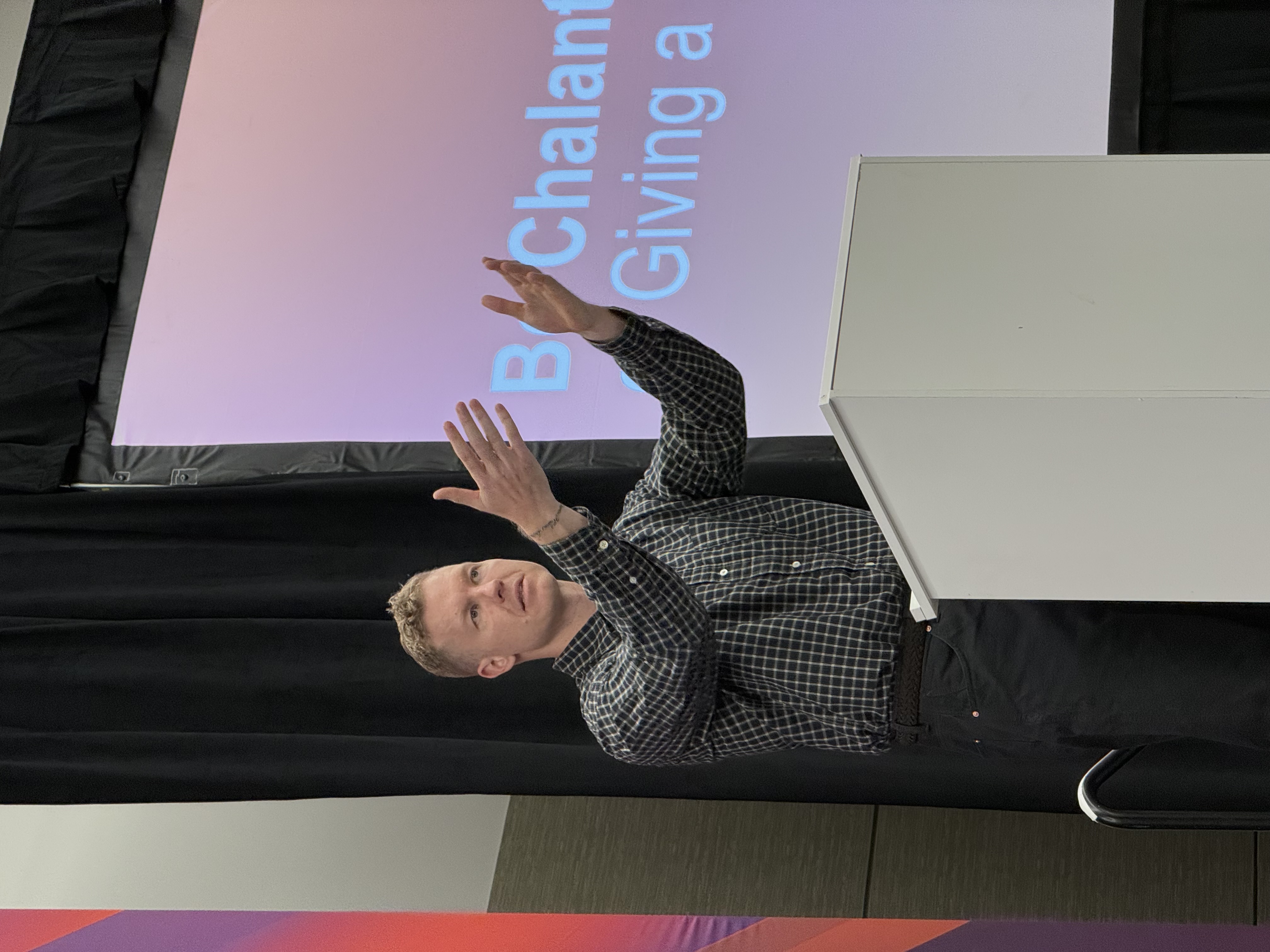
And the best part: Sam Parr reposted me on X. I will take it, especially since his cohost Shaan Puri still cannot dunk a basketball. Shaan, if you ever need a rebounder, you know where to find me.
What I would do this week if I were you
- Ask ChatGPT for the top products in your category and write down every gap
- Audit your pricing page and make sure it is current and readable as plain text
- Add a real author block with a photo and credentials to every blog post
- Pick your 10 most important pages and check when they were last updated
- Start a glossary with the 20 terms your buyers search most
- Ask your dev team whether your key pages are prerendered
- Post one real, unpolished video or quote from an actual human this week

Frequently Asked Questions
What is UNBOUND 2026?
UNBOUND 2026 is HubSpot's annual marketing, sales, and customer experience conference, formerly called INBOUND. The 2026 edition took place September 16 to 18 at the Boston Convention and Exhibition Center.
Who spoke at UNBOUND 2026?
Main stage speakers at UNBOUND 2026 included Tom Brady, Aziz Ansari, Cynthia Erivo, and Sam Parr of the My First Million podcast, alongside breakout sessions from partners like Webflow and Capsule.
What were the biggest AEO takeaways from UNBOUND 2026?
The biggest AEO takeaways were that bad context is worse than no AI, that pages must be written for both people and AI crawlers, that structured glossary pages and accurate pricing pages get cited more, that JavaScript heavy pages and stale content lose visibility, and that llms.txt is not a priority yet.
What is AEO?
AEO stands for Answer Engine Optimization. It is the practice of structuring your content and brand signals so AI platforms like ChatGPT, Perplexity, and Gemini cite you directly in their answers.
What is the difference between SEO and AEO?
SEO focuses on ranking your pages in search results so people click through. AEO focuses on getting your brand quoted inside AI generated answers, often where no click happens at all. Good AEO builds on good SEO but adds clear definitions, accurate pricing, crawlable pages, and authority signals.
Do I need an llms.txt file for AEO?
Not right now. Speakers at UNBOUND 2026 said llms.txt is not necessary yet and should not be your focus. Crawlable pages, fresh content, and accurate information have a much bigger impact today.
Can AI generated content replace real people for AEO?
No. AI can produce text, images, and even avatars, but it cannot produce a genuine customer quote, a founder's voice note, or an unpolished video from someone who actually used your product. Those human signals are what build authority with both buyers and answer engines.
Is HubSpot UNBOUND worth attending?
If you work in marketing, sales, or RevOps and want to understand where AI search and AEO are heading, yes. The sessions from HubSpot and its partners were packed with real experiment data, and the networking alone is worth the trip.
The bottom line
The AEO secrets are not really secrets. They are the fundamentals most brands skipped: accurate information, pages that robots can read, content that stays fresh, and real people standing behind it. The brands winning in AI answers are not the ones publishing the most. They are the ones giving the models the best context, and the most human proof.
If you want help figuring out where your brand shows up in AI answers right now, that is what we do at Dabir Digital.
About the author
Kane Dabir is a growth marketer and the founder of Dabir Digital. On the corporate side, he focuses on growth marketing at Intrax, the company behind cultural exchange and education programs like AuPairCare and Ayusa. Before Intrax, he was the Digital Strategist at Reliance Insurance, driving growth across commercial B2B, personal lines, and marine insurance, and working alongside the underwriters at PMU Specialty. He also built the B2B growth and ad strategy for Pacific Marine and Harbour Insurance. Earlier in his career, he was part of the team at Sidler that drove showroom expansion across the USA and Canada.
Through Dabir Digital, Kane consults for small and growing businesses expanding in food, fashion, SaaS, and more.
His roots are in the creative world. He has worked with Creative BC, Universal Music Canada, OVO Sound, and Brillstein Entertainment. He has made commercials and music videos, and he ran the marketing for Hex, a horror feature from Vertical Entertainment now streaming on Prime Video. You can watch his production work at TIV Productions. His work has been featured in the Washington Post, Billboard, CBC, Complex, and WWD. Today he cohosts the AwJiz Boys podcast and shares marketing takes as @kanetalks.
Next in Archive
.svg)